Separate usage from pricing, choose changes you control, and report property issues that need attention.
Start with the bill itself. Compare electricity use in kilowatt-hours, the number of billing days, and the rates or charges on the account. Then look at changes in weather, occupancy, and equipment use. A higher total alone does not tell you which change will help.
For renters, the next decision is whether the issue is an everyday setting you control or a property condition that needs management’s attention. Keep those two paths separate so you do not spend money trying to compensate for a repair problem.
Make a useful comparison
Set the current bill beside a previous bill and, if available, the same period last year. Note differences in billing days and household routines. Working at home more often, hosting guests, or using heating or cooling differently can change the comparison.
Ask your utility to explain unfamiliar charges and your current rate plan. If the plan prices electricity differently by time of day, learn its actual hours before changing appliance schedules. A neighbor’s plan or an old online tip may not match your account.
| What changed? | A useful next question |
|---|---|
| More kilowatt-hours | What changed in occupancy, weather, or equipment operation? |
| Similar usage, higher total | Did rates, fees, credits, or billing days change? |
| Equipment now runs unusually | Is there a setting issue or a maintenance concern to report? |
A higher bill is a reason to investigate both usage and billing—not a diagnosis of equipment failure.

Choose changes that fit a rental
The Department of Energy’s renter resources include lighting and other measures that do not require owning the building. Consider compatible LED bulbs, sensible use of shades, and heating or cooling settings that suit the household’s needs.
Start with a small change you can maintain. Record when you made it, then compare usage over a meaningful period while allowing for weather and occupancy differences. That gives you more useful information than changing several things at once and guessing which mattered.
Check the lease and ask management before installing controls, applying materials to windows, or changing fixtures. Equipment replacement, building insulation, and repairs to windows or heating systems require a different conversation from changing a lamp bulb.
Report symptoms rather than diagnosing the system
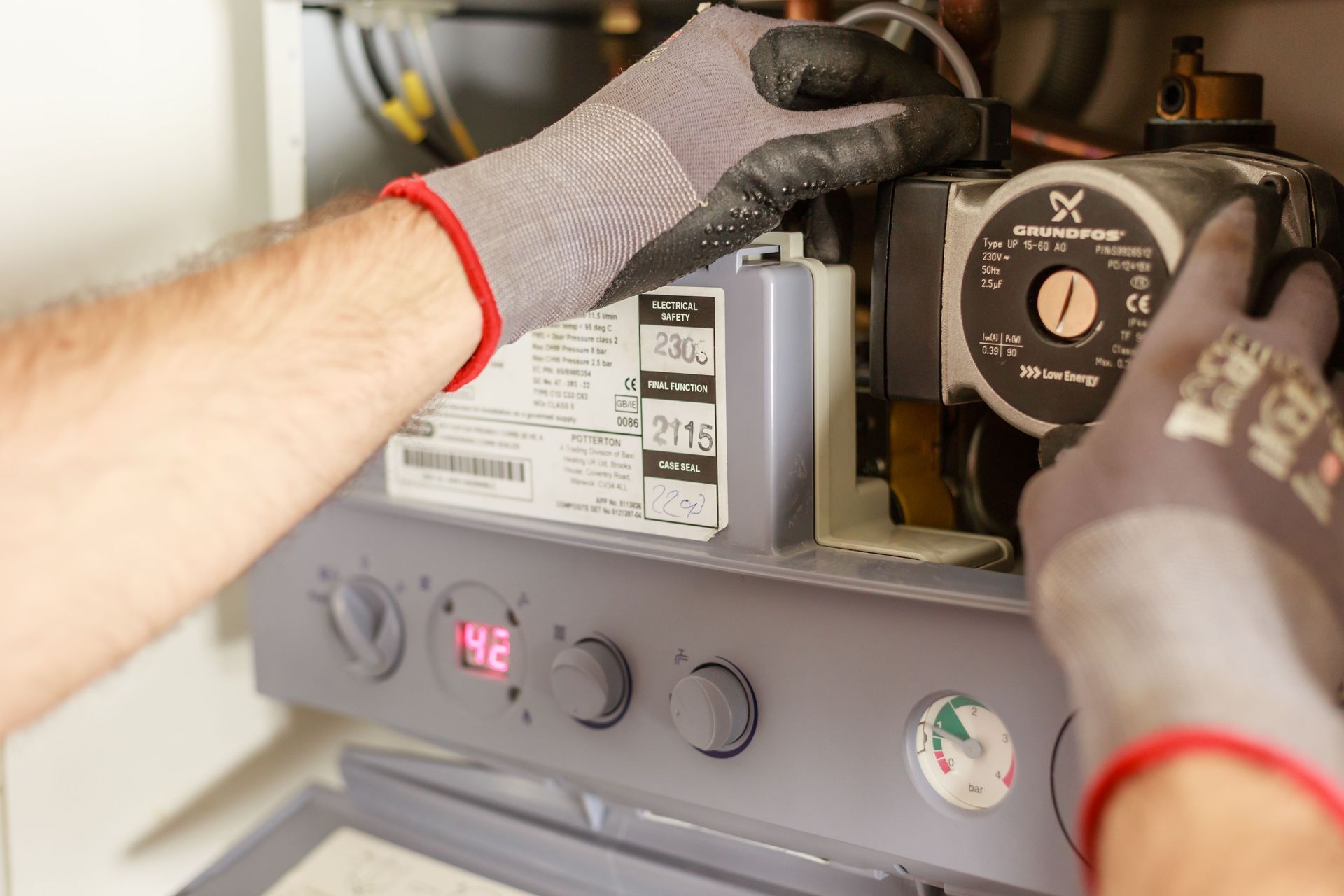
If heating or cooling behaves differently, document what happens: a room no longer reaches a comfortable temperature, a unit runs much longer than before, or a window no longer closes properly. Include the date, location, and any settings you can read normally.
Advent’s maintenance request page is the place for nonemergency property concerns. You do not need to prove a repair will lower the bill before reporting a malfunction. A high bill by itself also does not prove the building caused it.
Through residential property management, Advent can coordinate evaluation of property maintenance concerns. The utility remains the source for account charges, rate-plan explanations, and billing disputes.
Check assistance through the current program
California’s CARE and FERA information from the CPUC provides a starting point for income-qualified utility discounts. Eligibility, enrollment, and the program serving your account should be confirmed with the utility. Do not rely on an old article’s income limits or credit calendar.
Two questions worth asking
Will these steps guarantee a lower bill? No. Weather, rates, household needs, and the property all affect results. The goal is to identify useful changes and unresolved questions.
Should I buy a new appliance myself? Discuss ownership, approval, installation, and responsibility first. A purchase is not a substitute for reporting a problem with property-provided equipment.
Have a recurring property concern behind your energy questions? Contact Advent with the symptoms and any existing maintenance request, so the next conversation can focus on what needs evaluation.