A practical framework for prioritizing repairs, comparing proposals, and keeping a useful property history.
Prioritize rental repairs by safety, resident impact, and the risk of further damage. Then use the property’s condition and repair history to plan the next maintenance budget. Generic repair prices cannot make that decision for you.
“Water under the sink” can describe different problems. Establish the cause, proposed scope, and completion check before approving a permanent solution.
Which repairs should be on an owner’s radar?
Advent’s original repair guide identified ten recurring categories worth organizing in a property record:
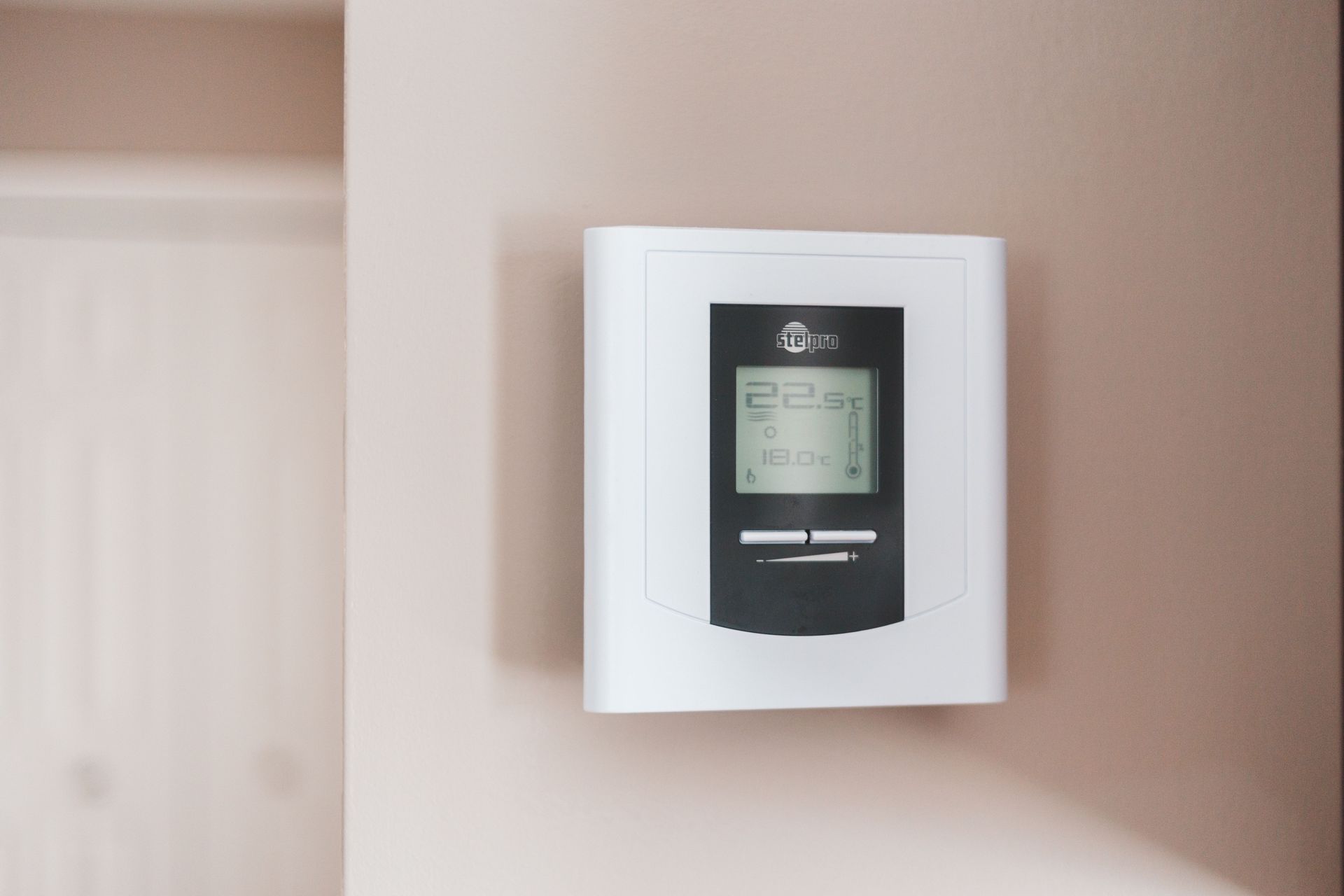
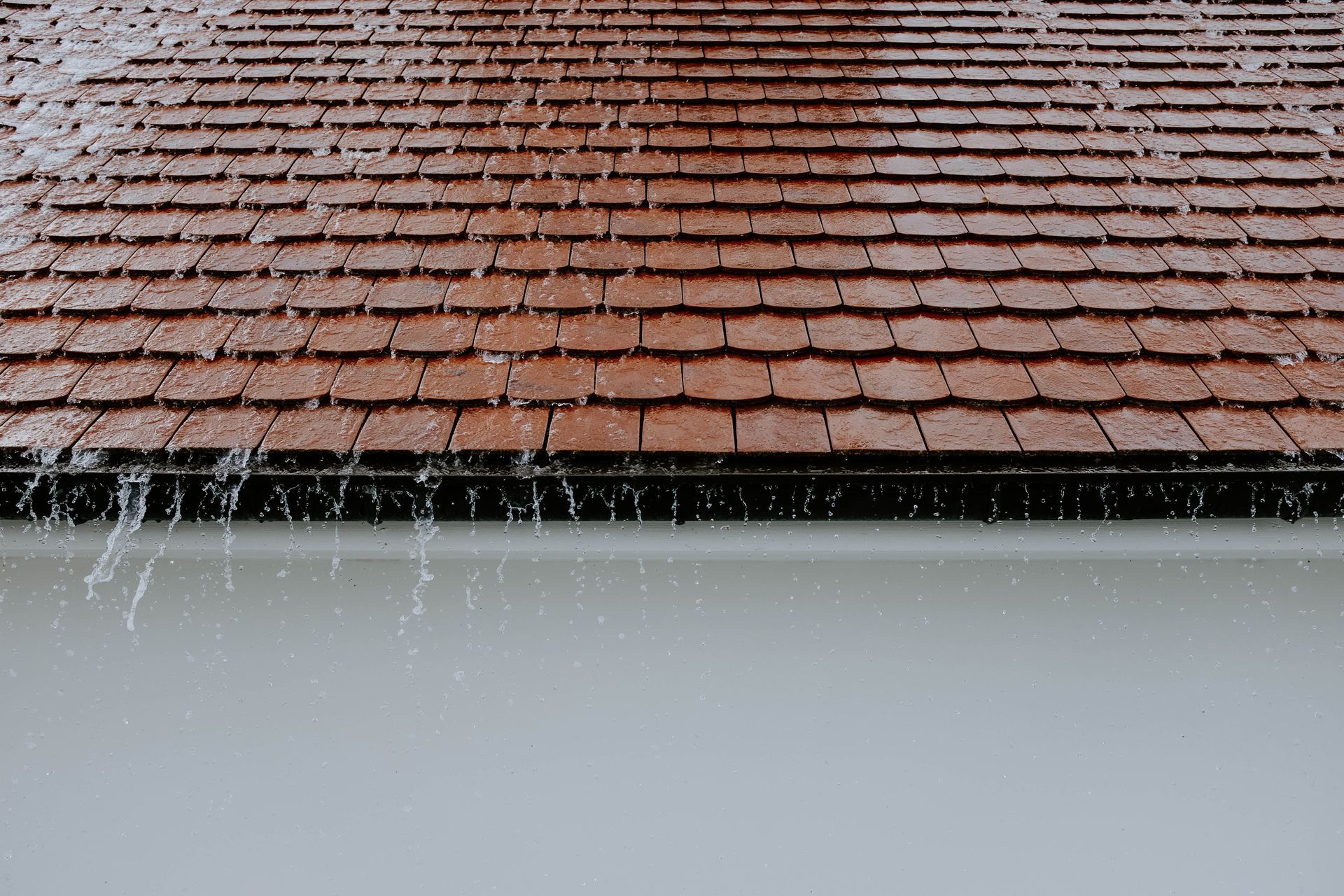
1. Appliances that stop working or perform inconsistently. 2. Water entering around roofs, ceilings, or windows. 3. Leaks beneath sinks. 4. Dripping faucets. 5. Loss of hot water or water-heater problems. 6. Pest activity. 7. Garbage disposal problems. 8. Toilets that run between uses. 9. Toilet or drain blockages. 10. Heating-system problems.
The category does not determine urgency or responsibility. A contained drip and water near electricity need different responses.
Separate immediate action from the permanent solution
Ask whether essential services are affected or damage is spreading. An emergency needs the appropriate response before a routine estimate.
California’s Attorney General guidance for tenants describes basic habitability obligations, including functioning plumbing, electrical systems, and heat. Budget planning should support necessary work, not become a reason to postpone it.
| Decision | Questions to resolve |
|---|---|
| Immediate response | Is anyone at risk? Is an essential service unavailable? Is damage continuing? |
| Permanent repair | What failed, what work is proposed, and what related damage needs attention? |
| Future planning | Is this recurring? What condition or service history should affect the next budget? |
The reported symptom starts the conversation; property conditions determine the response.
Repair or replace: compare the whole job
Request the diagnosis, scope, applicable replacement alternative, and warranty terms. Check installation, removal, related work, and required permits. Different prices may describe different jobs.
Compare previous failures, parts availability, and expected reliability after repair. These help evaluate replacement without assuming it pays for itself.
Use the California Contractors State License Board’s hiring resources to evaluate providers and confirm the appropriate license and scope.
Build the property record before the next breakdown
Advent’s property intake process starts the conversation about a property’s condition. Our recommendation is to continue that record with equipment identifiers, work orders, invoices, recurring symptoms, and remaining recommendations.
A running toilet, for example, belongs in that record even when the immediate fix is modest. The EPA’s WaterSense leak guidance explains why household leaks deserve attention. The planning question is whether the issue was resolved and checked, not simply whether someone visited.
Advent’s residential property management services include repair coordination. Owners can make that coordination easier by clarifying approval preferences, access considerations, and available records at the start.
Questions owners often need answered
Should I use a fixed percentage of rent as my repair budget? It can be a starting assumption, but compare it with actual condition, prior spending, and upcoming work. Different properties have different needs.
Can I charge every blocked drain to the resident? Do not infer responsibility from the symptom. Establish the cause and review the lease and applicable requirements before deciding.
Discuss your property’s maintenance priorities with Advent. Bring recent invoices and any recurring concerns so the conversation can focus on the next decisions rather than reconstructing the last repair.