A practical guide for renters and rental owners clearing out paint, cleaners, batteries, and other materials that need special handling.
Leftover paint, pesticides, strong cleaners, and some batteries need a disposal route separate from ordinary household trash. Identify what you have, check your city or county’s household hazardous waste program, and follow its instructions before transporting anything. If you rent, coordinate with your property manager when the material belongs to the property or was left by someone else.
That short planning step matters at move-out. A container left in a garage can become the next resident’s problem, while an unsuitable disposal choice can create a safety or environmental hazard.
What counts as household hazardous waste?
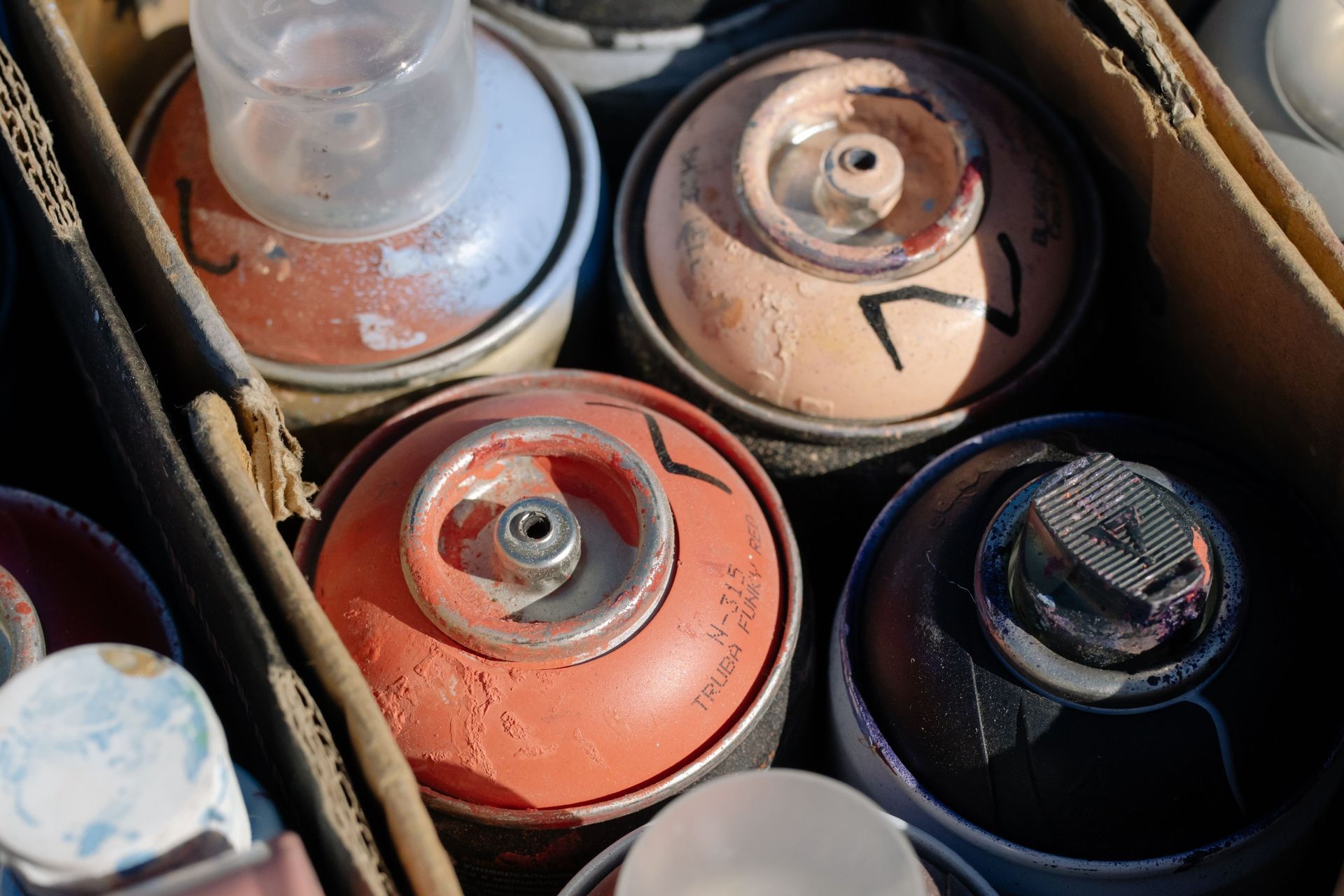
The Environmental Protection Agency’s household hazardous waste guide identifies household products that can burn, react, corrode, or cause harm through toxic ingredients. Common examples include certain paints, solvents, cleaners, pesticides, and batteries. The product label is a starting point; an unfamiliar container is a reason to ask for guidance, not to guess.
Keep electronics, sharps, and medications on your inventory too, but check their individual collection routes. Acceptance of paint does not establish acceptance of everything else in your garage.
Check the destination before you pack
CalRecycle’s household hazardous waste resources explain California’s special disposal requirements and help residents find local programs. Confirm which program serves your address, whether an appointment is needed, what quantities it accepts, and how it wants items packaged.
Tell the program who generated the waste. Materials from a household cleanout and materials generated by a contractor’s work may be treated differently. A rental owner should not assume that a resident-only collection service accepts a business or maintenance load.
| What you find | What to establish first |
|---|---|
| A labeled household product | Does the local program accept this specific material and quantity? |
| An unknown or damaged container | What handling instructions does the program give before you move it? |
| Materials left by a prior occupant or contractor | Who will identify, arrange, and document the disposal? |
Check the disposal route before loading the car. Acceptance rules depend on both the material and the local program.
Store carefully while you arrange disposal
Follow the product label. Keep materials in their original labeled containers when possible, secure them away from children and pets, and do not combine leftovers. EPA cautions against pouring hazardous waste into drains, onto the ground, or into storm sewers.
A smoking battery, active spill, or immediate exposure hazard is not a routine drop-off project. Move away from danger and contact emergency services when there is an immediate threat. Do not put an unstable item into your car to get it out of the house.
How should renters and owners divide the work?
Start with an inventory that identifies the item, its location, and who knows its history. Use photographs only when you can take them safely. Ask for a written disposal plan before removing materials whose ownership or condition is uncertain.
For owners, make this inventory part of the turnover conversation. Advent’s property intake process provides a useful place to discuss the property’s starting condition. Our recommendation is to record unresolved storage and disposal issues alongside other work that needs an assigned next step.
Advent’s residential property management services include maintenance coordination. A managed-property conversation can establish who should arrange the next step; acceptance rules and specialized handling still come from the appropriate disposal provider.
Questions that come up during a cleanout
Can I leave old chemicals beside the trash bins? Do not assume that setting them aside creates an approved pickup. Confirm a collection arrangement first.
Can I use a program in another county? Check its residency and eligibility rules before traveling. The nearest facility may not be the one that serves you.
Do all batteries go to the same place? Do not assume so. Tell the program the battery type and condition, particularly if it appears damaged.
Planning a rental turnover? Ask Advent to help clarify the property’s maintenance handoff, including who will resolve materials left behind before the next resident arrives.